
When I compare notes with overseas brand owners about sourcing clothing from China, the same tension comes up: the country that manufactures for nearly every major fashion label also has a reputation for requiring bulk orders no new brand can justify. Guangzhou’s wholesale district tells a different story — the same manufacturing ecosystem that supplies international brands also sells in small, testable quantities, priced at the factory gate instead of the retail markup.
Why does Guangzhou’s wholesale district matter to overseas buyers?
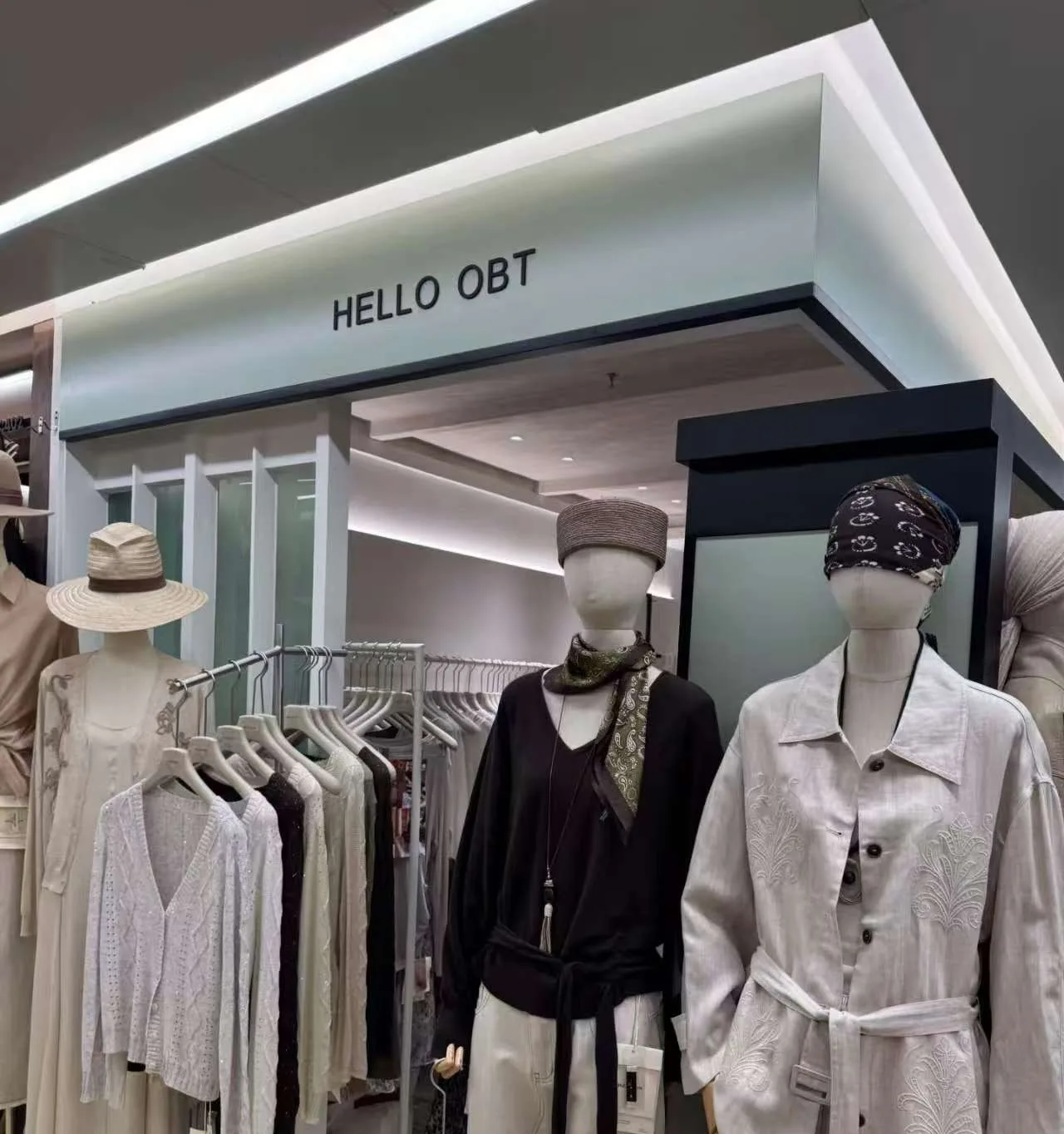
Guangzhou’s Thirteen Hongs (十三行) wholesale district anchors more than 6,000 clothing wholesale merchants along Xiti Road, built over decades into one of China’s main clearing houses for garment trade (Jiemian, 2020). It doesn’t work alone. Twenty minutes away, the Xintang–Zengcheng denim cluster counts more than 4,000 registered enterprises shipping an estimated 2.5 million pairs of jeans a day (China National Radio, Dec 2025). The density is what actually helps a buyer: fabric mills, trim suppliers, print and embroidery houses, cutting rooms, and finished-goods stalls all sit within a few square kilometers, close enough that you can compare physical stock in person instead of ordering from a photo.
How can quality match international brands at a fraction of retail price?
Most of that price gap has nothing to do with quality. It comes from distribution. Guangdong province alone accounted for an estimated 18.41 percent of China’s apparel exports in the most recent year with comparable trade-association figures (China Chamber of Commerce for Textile, via Qianzhan Industry Research, 2021). The same regional industry that fills bulk export orders for international labels also supplies small-quantity wholesale stock, through the same mills and cut-and-sew workshops. A retail price, on top of that, carries brand licensing, marketing, store rent, and two or three layers of distributor margin stacked onto the garment’s actual production cost.
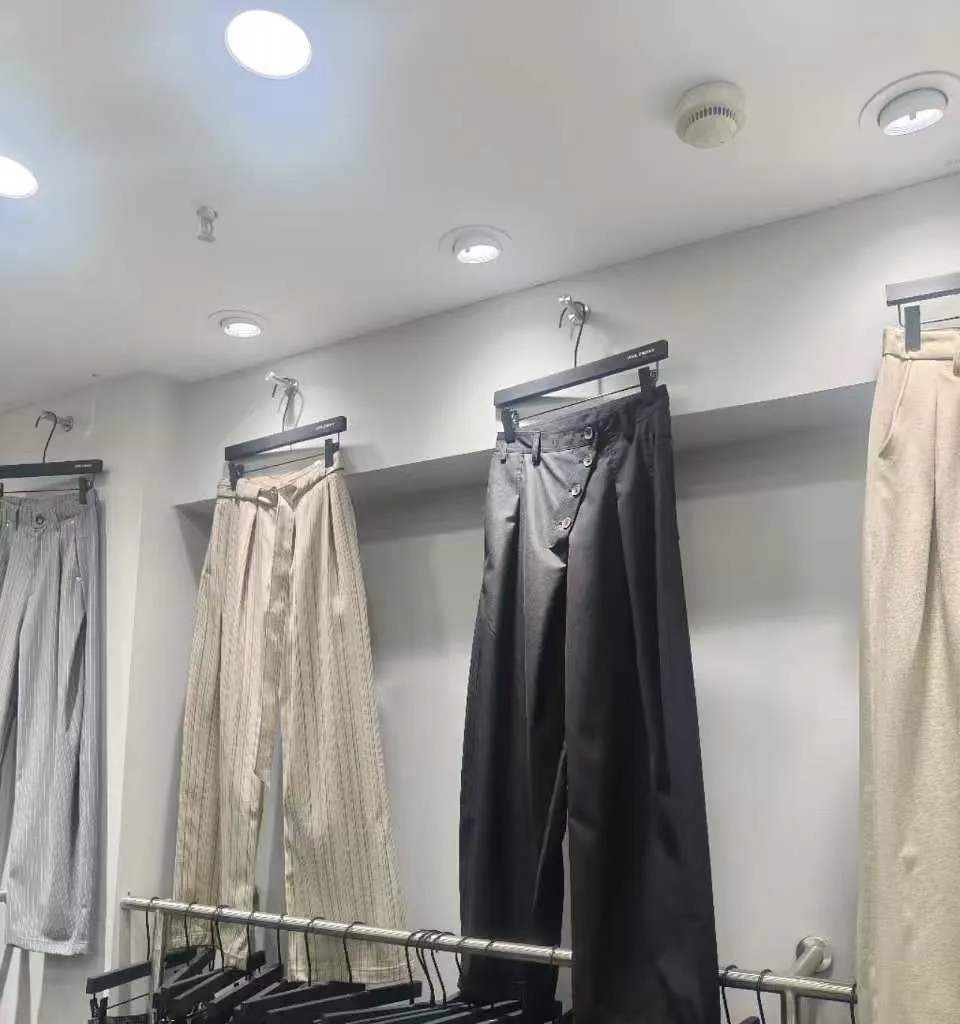
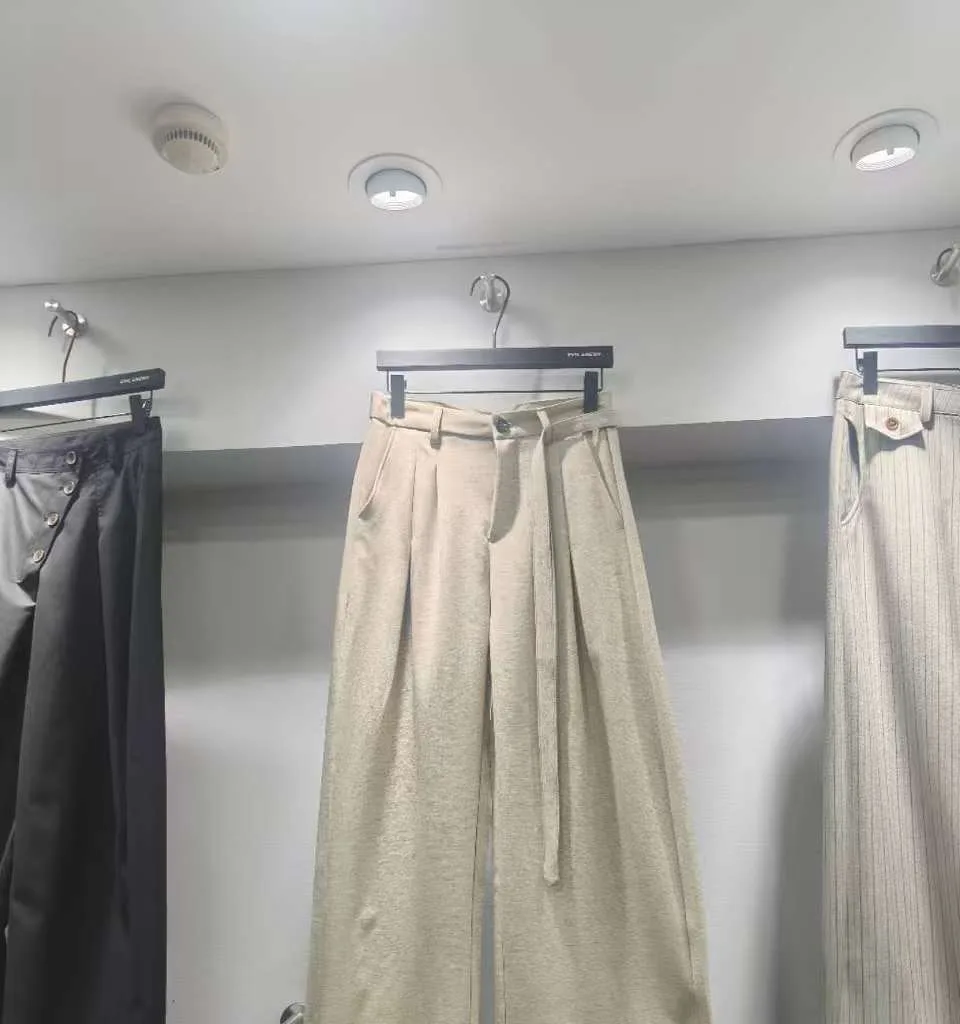
None of that matters unless the wholesale side actually gets checked. Our own merchandising and QC staff spot-check stock directly at Guangzhou’s wholesale markets, including Thirteen Hongs — fabric hand-feel, fiber composition, shrinkage, weight, all before a style is approved. A garment only enters our wholesale catalog once it passes that check, so a buyer already knows what they’re getting before they pay for it.
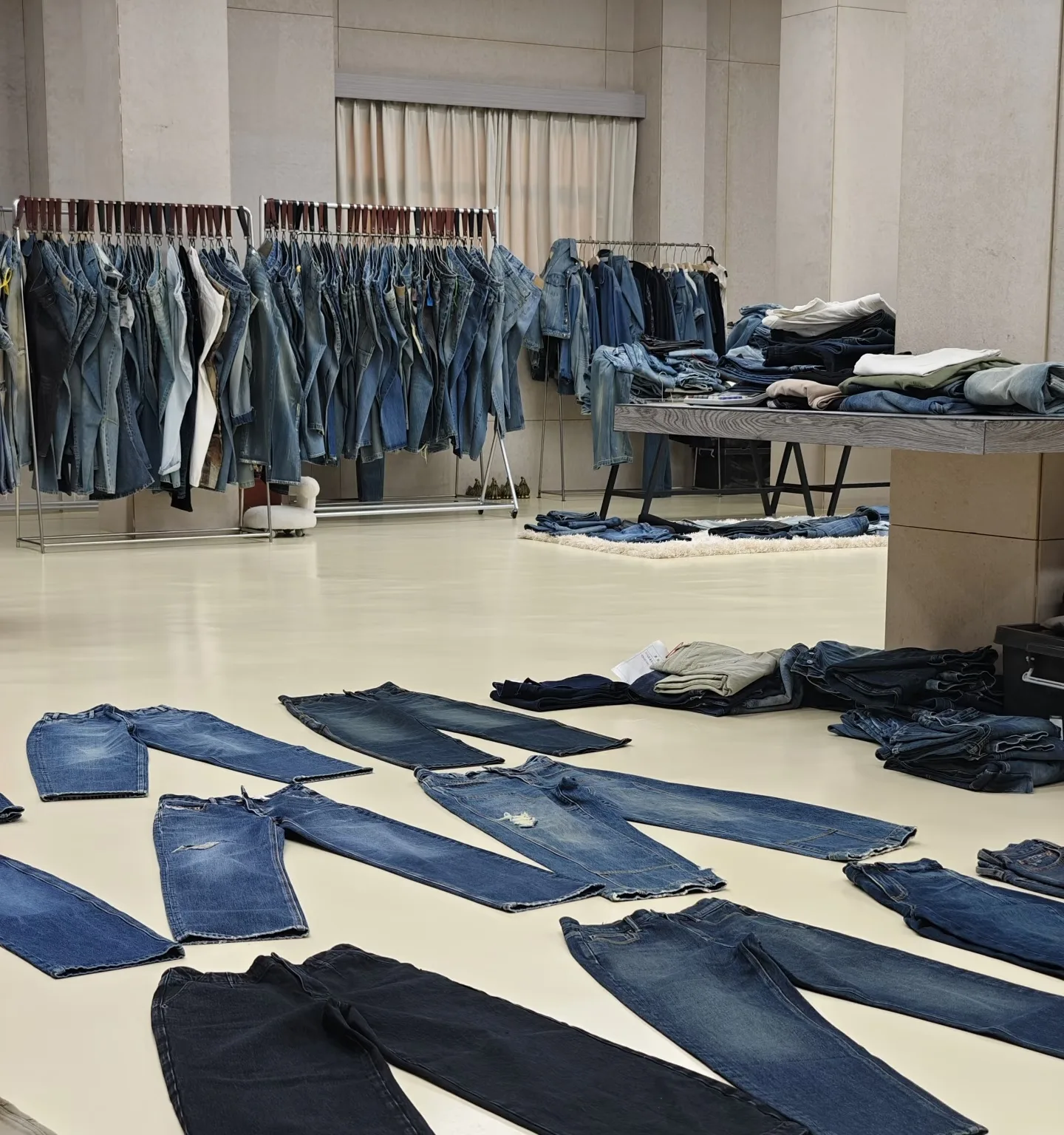
The same inspection standard applies whether it’s a pair of trousers or a heavyweight performance tee. Here’s the price context that check is measured against — comparable pieces at retail, versus our wholesale price for the same categories:
| Category | Retail benchmark | Alrightmade wholesale |
|---|---|---|
| Casual cotton/blend trousers | Retail: COS $99–139 · Mango $80–100 · Calvin Klein $89–99 · Tommy Hilfiger $89.50–94.50 | $25–56 per piece (¥180–400) |
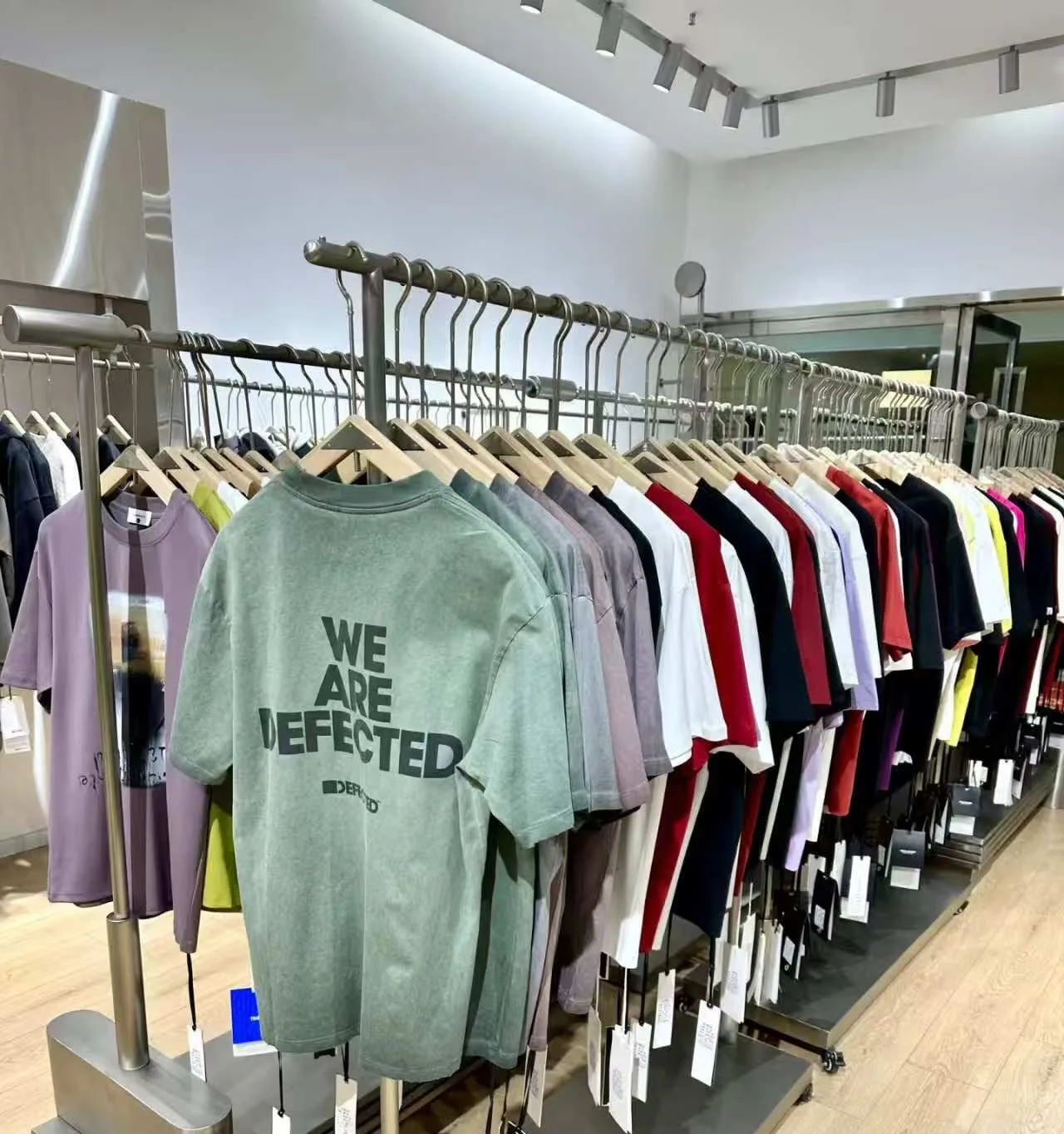
| Heavyweight performance tee | Retail: Lululemon $68–78 · Nike $32–60 · Arc’teryx $80–250 | From $15 per piece |
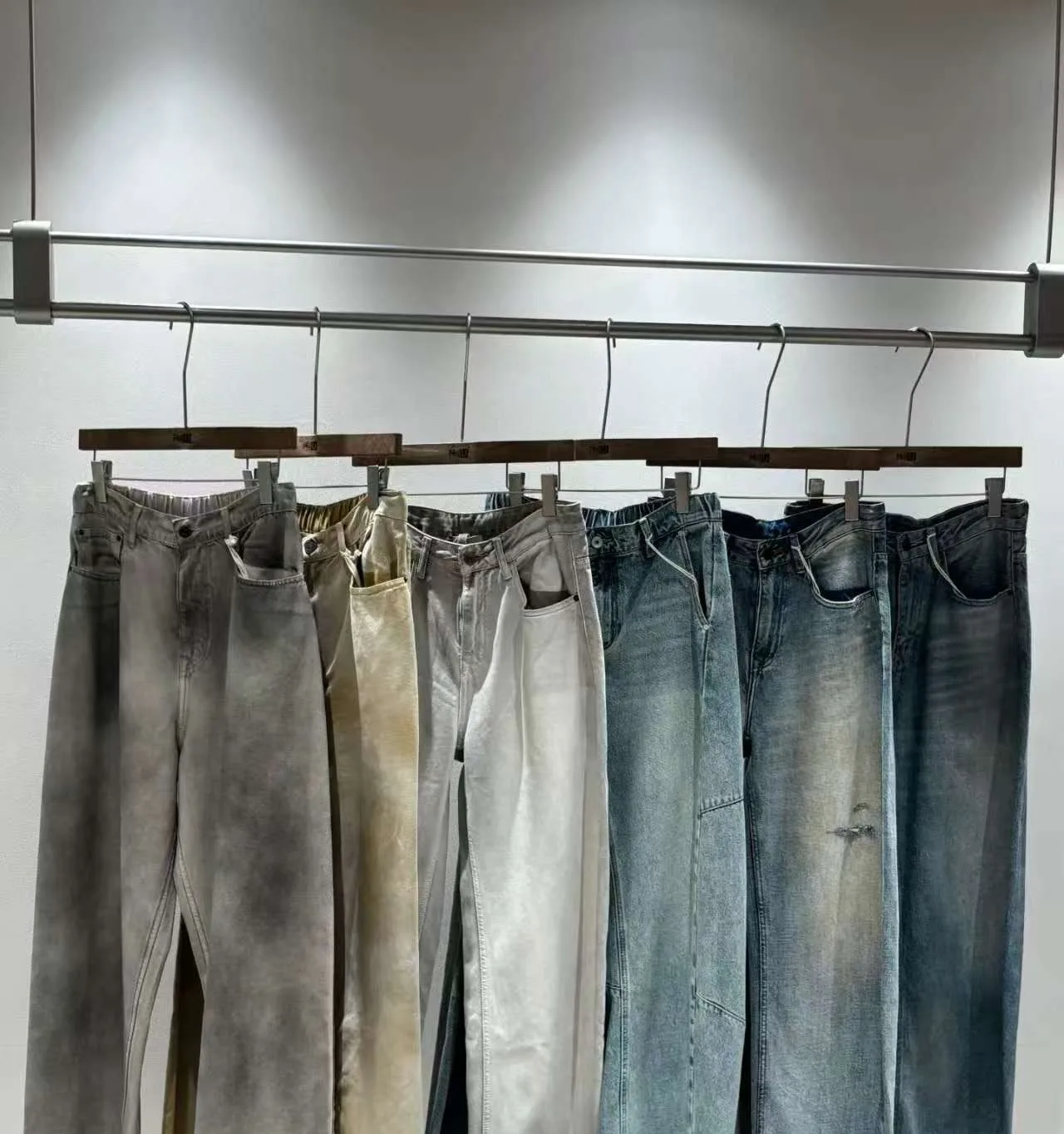
You can see this for yourself: the styles at the end of this guide are live in the catalog right now.
Wholesale from Guangzhou or building your own production line — which fits a new brand?
Every growing brand eventually asks whether to keep sourcing or build its own capacity. Unit cost is the easy number to compare. Capital and risk are the ones that actually decide it.
| Building your own production | Low-MOQ wholesale from Guangzhou | |
|---|---|---|
| Upfront capital | $150,000–500,000+ for equipment, staff, and facility | A few hundred to a few thousand dollars for a trial order |
| Time to first stock | Months of tooling, hiring, and line setup | 2–4 weeks from approved sample to shipment for private-label orders |
| Risk if a style underperforms | Idle equipment, committed staff and lease | Limited to one small order |
| Branding | Full control, built from zero | Private-label your logo onto proven styles from 10 pieces |
Most brands we work with use wholesale sourcing to prove a style sells before ever considering their own line — and many never need to.
What actually stops small brands from ordering from China, and how does low MOQ fix it?
Three problems come up more than any others in conversations with first-time buyers. Order size is the biggest one: a standard factory asking for 300 to 1,000 pieces per style leaves no room to test a color or fit before committing. Trust is the second — a supplier can look legitimate on a video call and still ship a bulk order that doesn’t match the approved sample. And plenty of buyers just assume private label needs factory-scale volume, which isn’t true.
The market is already moving the other way. McKinsey and The Business of Fashion’s State of Fashion research describes brands actively pushing suppliers toward lower minimums, held stock, and flexible reorders (McKinsey/BoF, 2025). Private label demand is already big and still growing: U.S. store-brand sales alone reached $271 billion in 2024, up 3.9 percent (PLMA/Circana, 2025). Guangzhou’s wholesale model answers all three problems directly: ready styles from about 10 pieces through wholesale supply, physical stock a buyer can inspect before paying, and private-label decoration from 10 pieces per colour through customization without touching a factory-scale order.
None of this removes the work of sourcing well. A buyer should still confirm the legal entity, compare a physical sample against the specification, and price the full landed cost before committing. It just means the first bet can be a small one.
Explore these wholesale styles
These are current, inspected styles from our wholesale supply catalog — the same stock behind the numbers above.
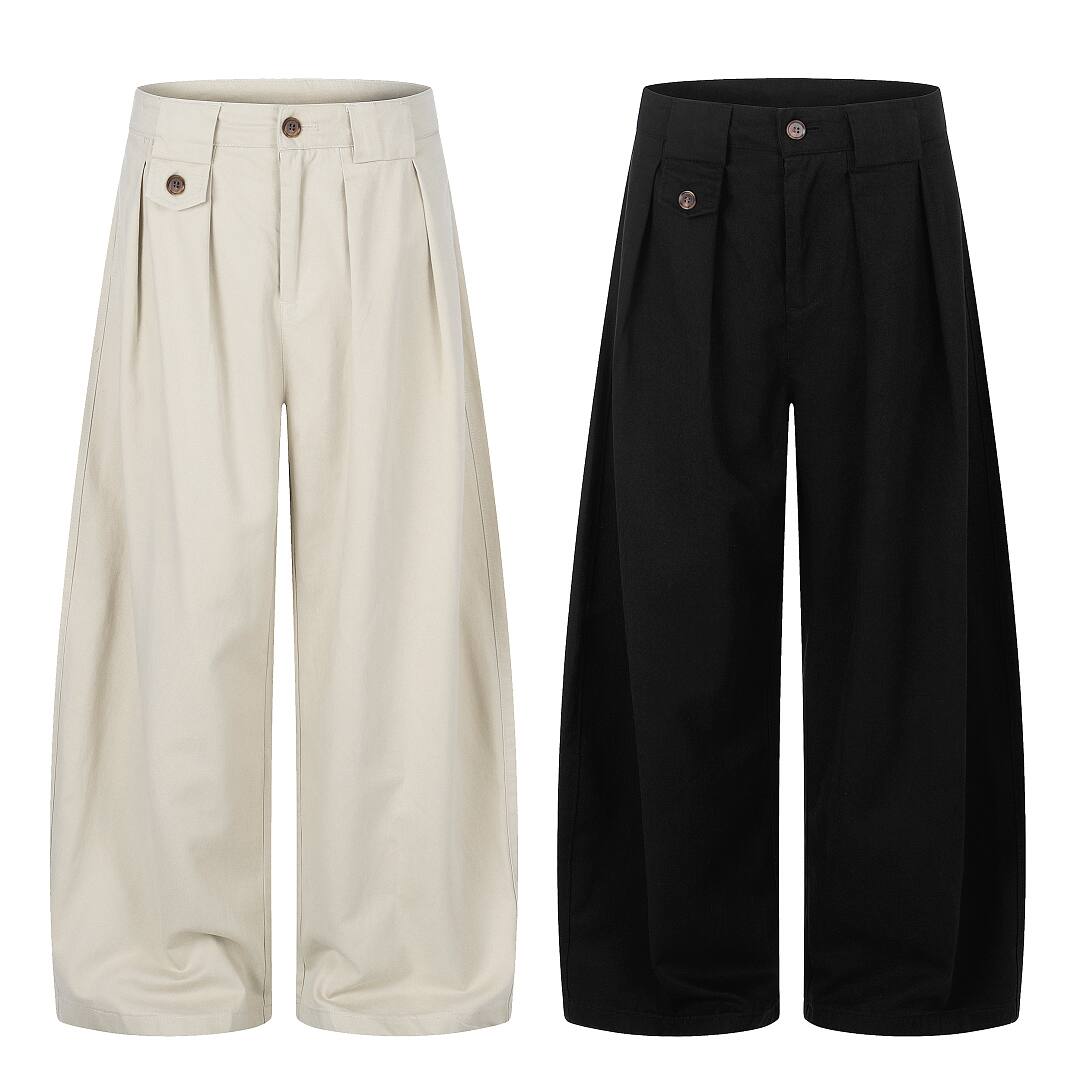
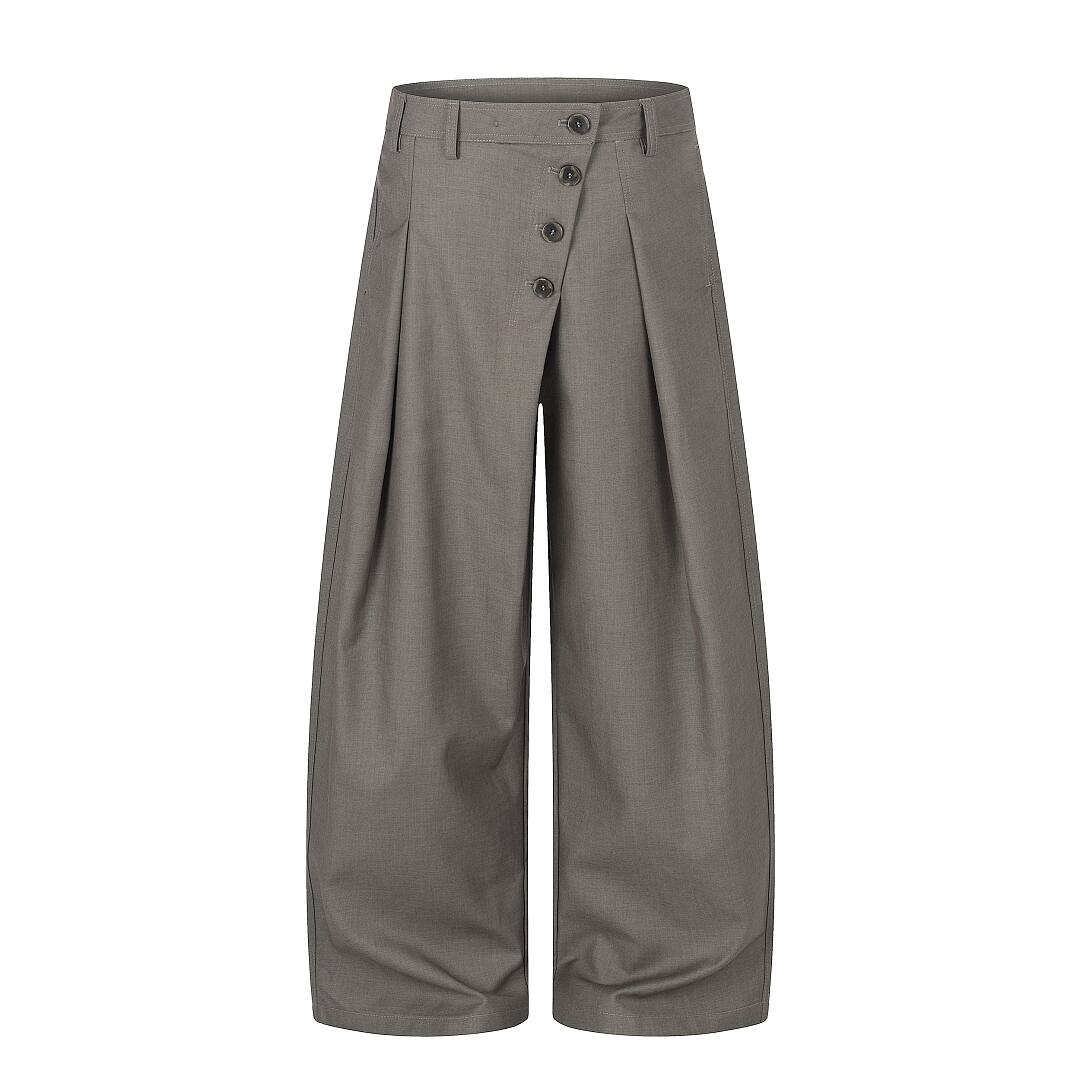
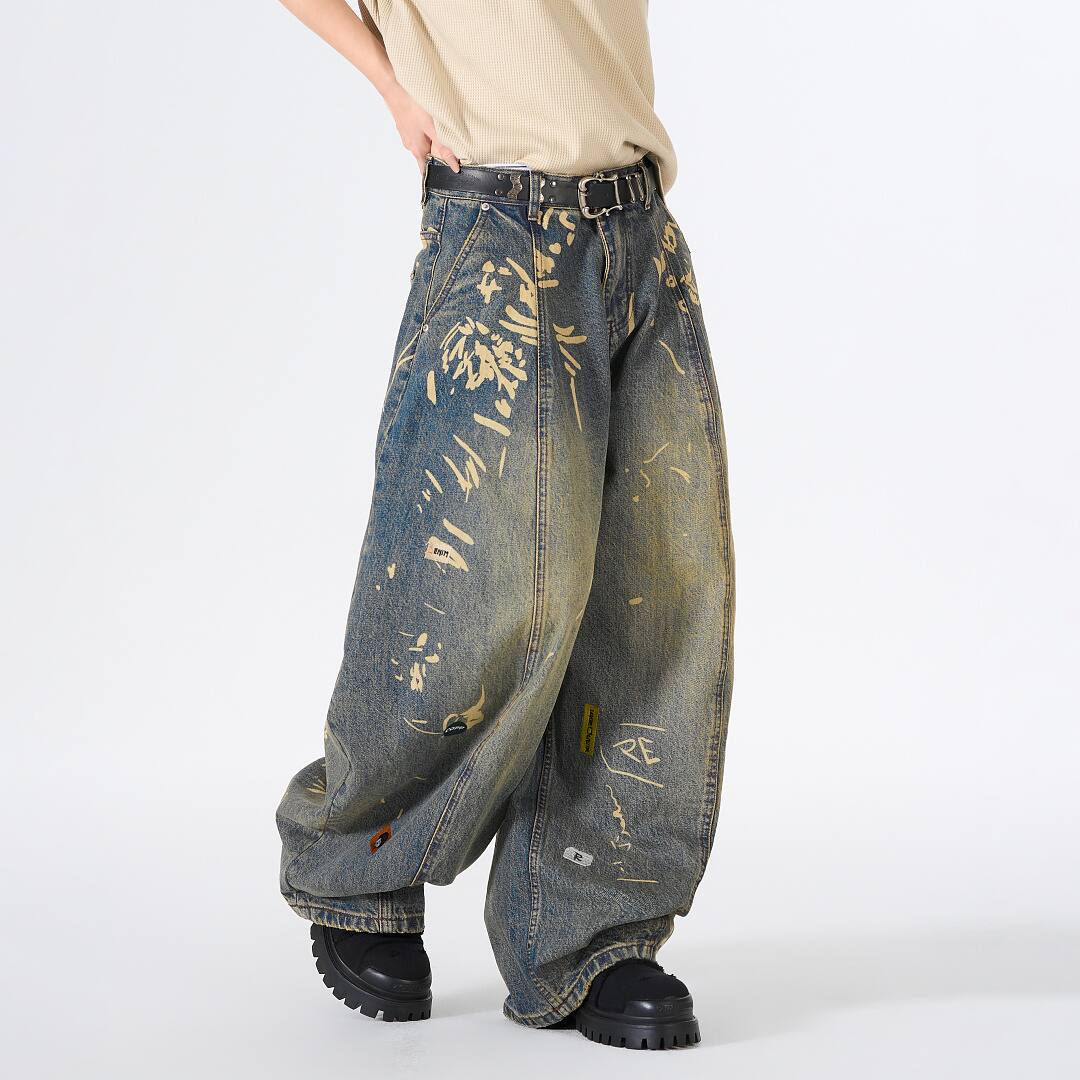
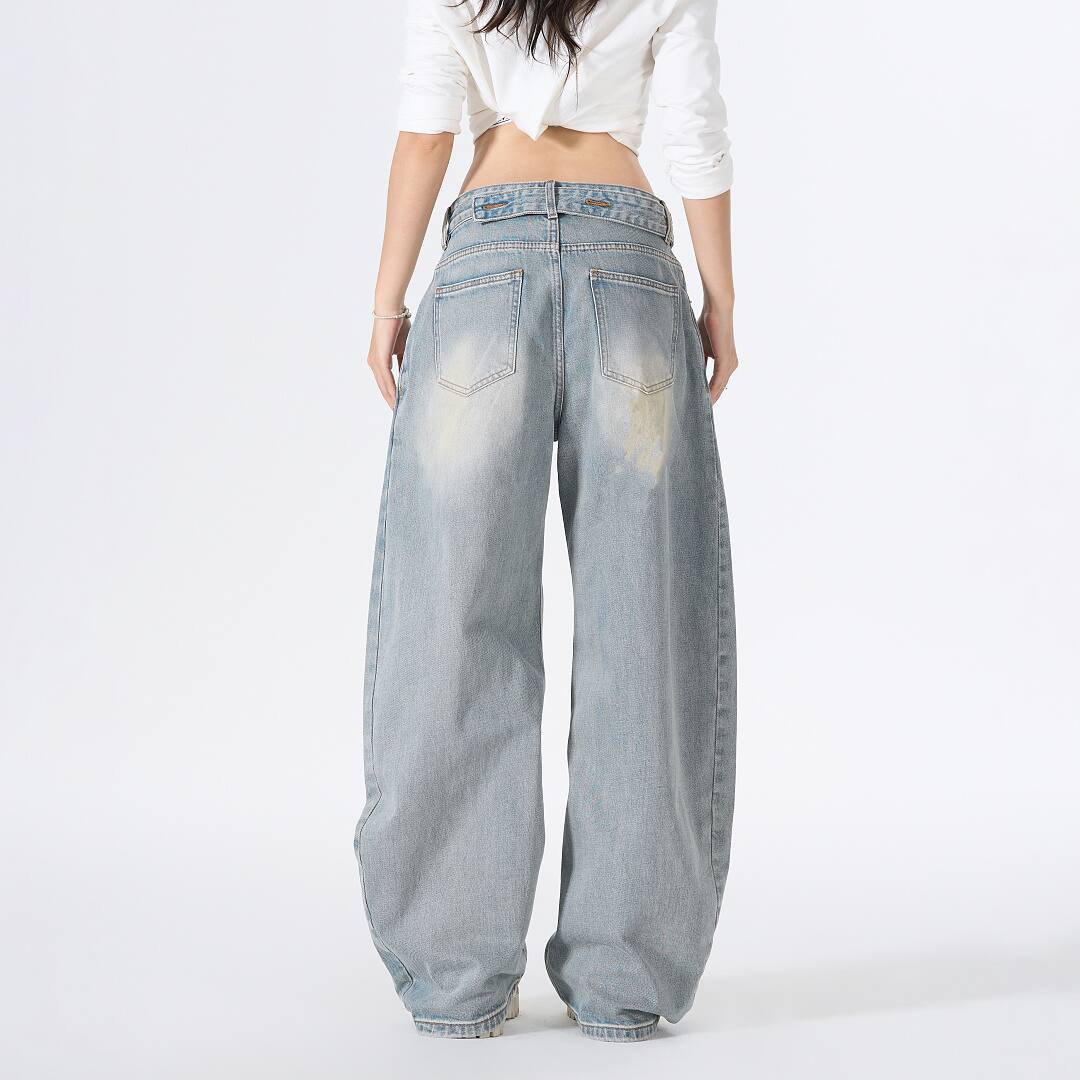
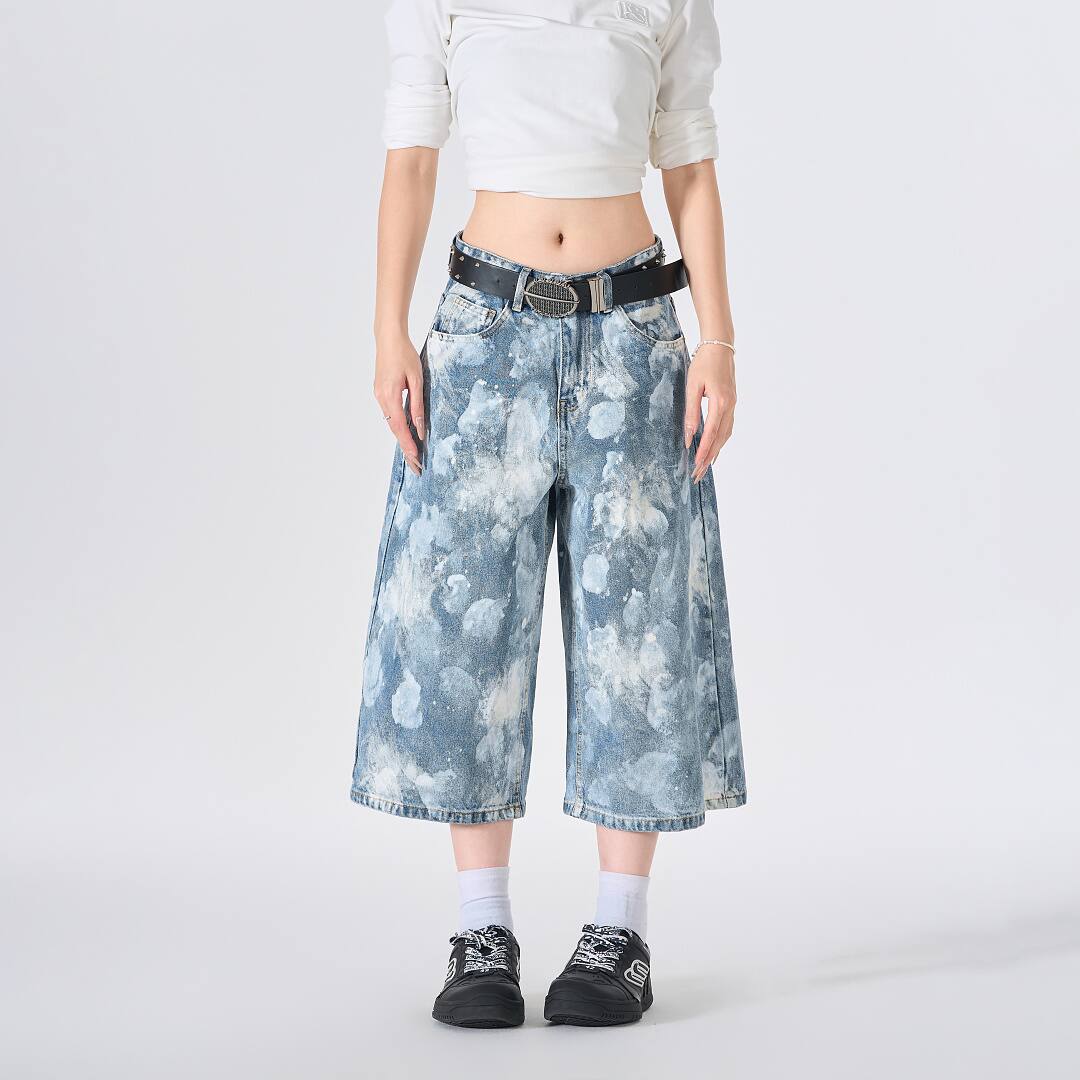
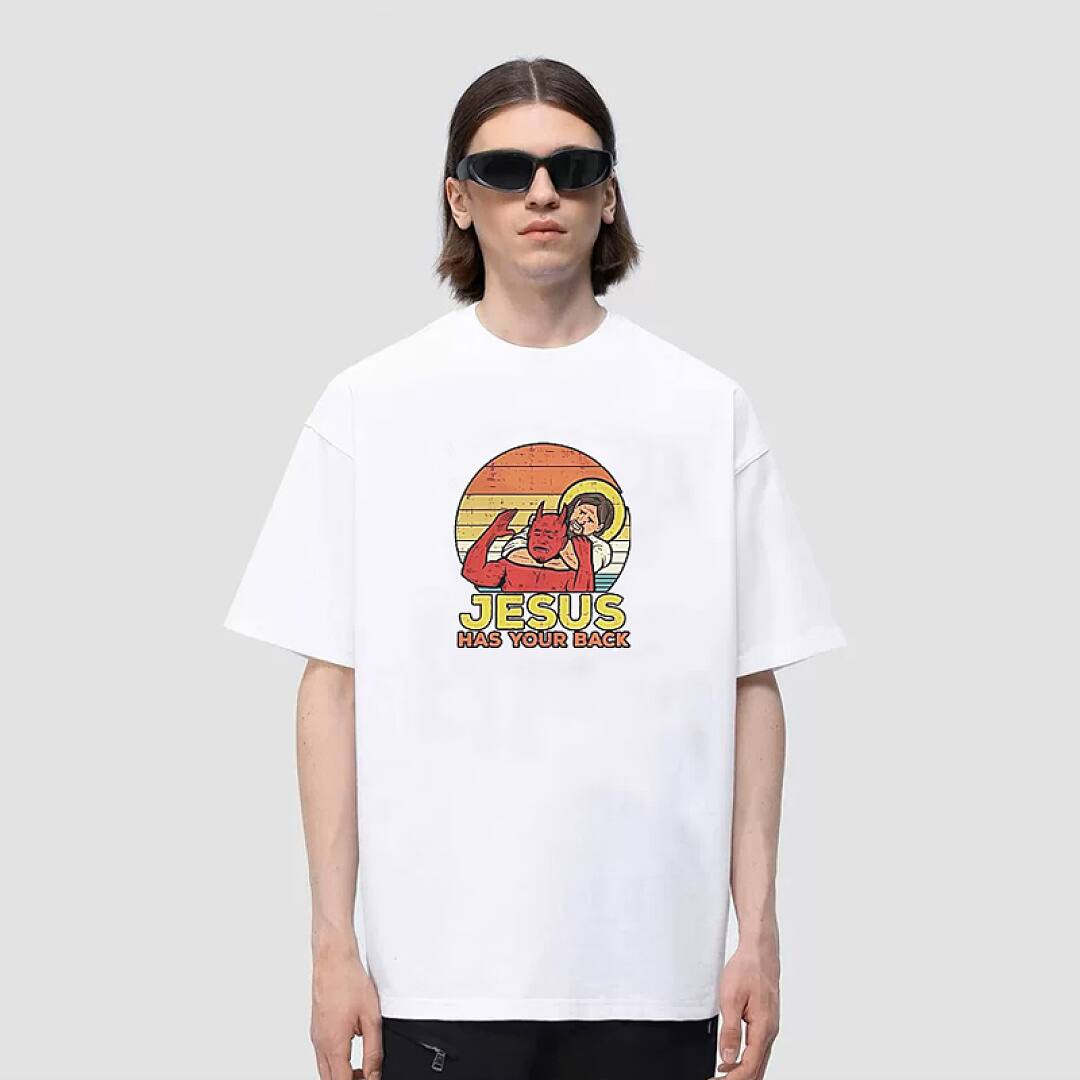
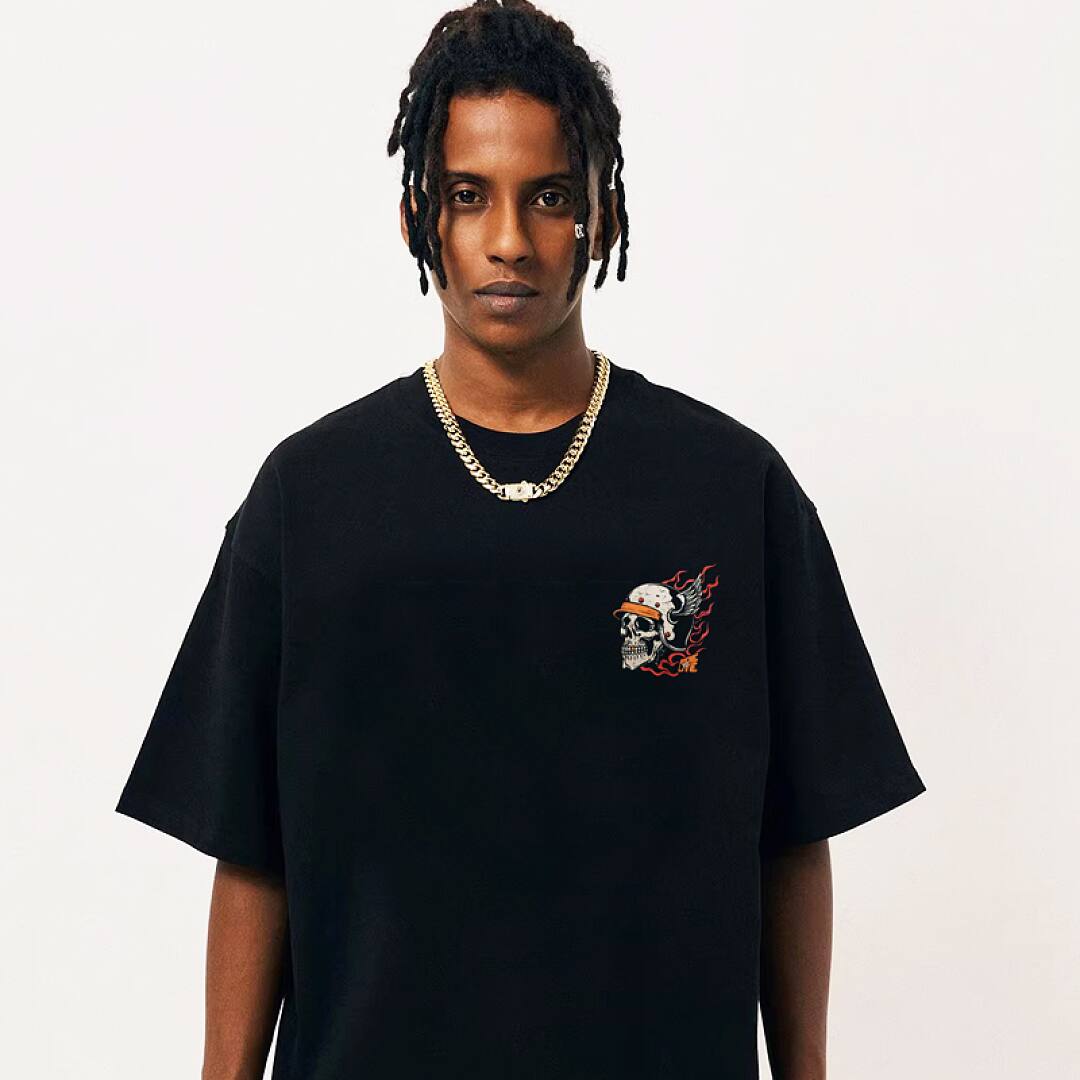
Browse the full wholesale catalog to check current stock and size runs, or send us your target style and we’ll confirm whether it fits a ready-style wholesale order, a customization run, or full manufacturing, and what minimum actually applies.